
David De Gea stands as the defining figure of Manchester United’s post‑Ferguson years — a goalkeeper who carried the club through instability with world‑class brilliance and superhuman reflexes. At his peak, he was not just the best goalkeeper in the Premier League; he was arguably the best in the world. De Gea produced performances that felt impossible, single‑handedly keeping United competitive during seasons when the team around him faltered. For supporters, he represents loyalty, resilience, and excellence under pressure. His legacy is that of a guardian — the player who kept United’s standards alive when everything else was changing.

The Origin Story — How He Became United
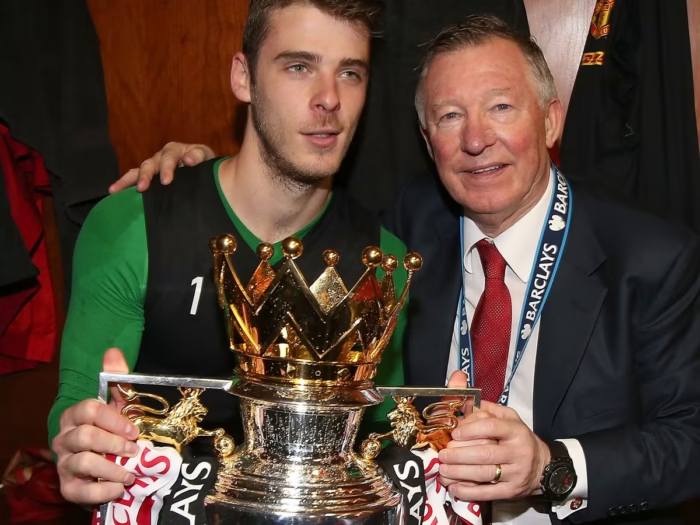
United signed De Gea from Atlético Madrid in 2011 for £18.9 million, making him the most expensive goalkeeper in British football at the time. He arrived as a 20‑year‑old with enormous potential but struggled with the physicality of the Premier League. Sir Alex Ferguson, however, believed in his talent and character. With patience, coaching, and determination, De Gea transformed from a raw prospect into a generational goalkeeper. By 2013, he was a Premier League champion; by 2014, he was United’s most important player.
Tactical Identity — What Made Him Special on the Pitch
De Gea’s skillset was unique and era‑defining:
- Reflexes: Lightning‑quick reactions, especially low saves and close‑range stops.
- Shot‑stopping: Elite ability to deny high‑quality chances, often in one‑on‑one situations.
- Footwork and positioning: Quiet, efficient movement that made difficult saves look simple.
- Composure: Rarely flustered, even under relentless pressure.
- Longevity: Maintained high performance levels for nearly a decade.
He wasn’t just a goalkeeper; he was United’s defensive system during years when the team lacked structure.

The Defining Moments
- 2014 — Performance vs Everton: A masterclass that announced his arrival as an elite keeper.
- 2015 — Save vs Sterling (Derby): A fingertip stop that became one of his iconic moments.
- 2017 — Arsenal away: A performance widely regarded as one of the greatest goalkeeping displays in Premier League history — 14 saves, many of them extraordinary.
- 2018 — Spurs at Wembley: Another world‑class showing, keeping United alive with impossible stops.
- Golden Glove 2017–18: Recognition of his consistency and excellence.
- Countless match‑saving performances: De Gea became synonymous with keeping United competitive.
His defining moments were not isolated — they were a weekly expectation.
Cultural Impact — Beyond the Pitch
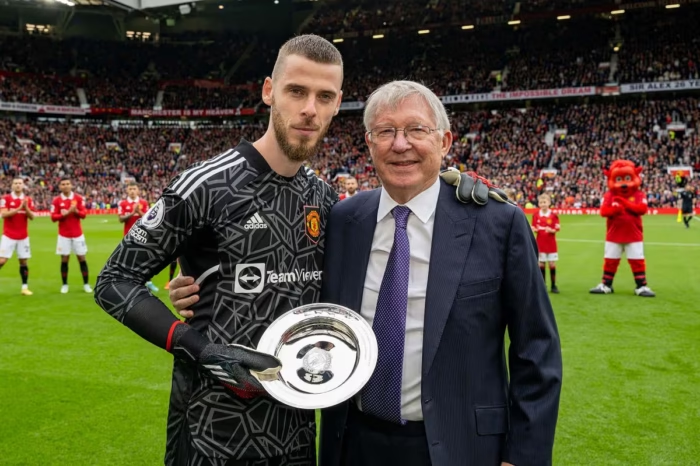
De Gea became a symbol of loyalty during a turbulent era.
- Stayed through multiple managers: Moyes, Van Gaal, Mourinho, Solskjær, Rangnick, Ten Hag.
- Carried the team: Often the difference between victory and defeat.
- Respected leader: Quiet, humble, and deeply admired by teammates.
- Fan connection: His consistency and dignity earned him a special place in supporters’ hearts.
He represented stability when the club had little of it elsewhere.

The Legacy — What Endures Today
De Gea’s legacy is monumental:
- One of United’s greatest ever goalkeepers.
- Four‑time Sir Matt Busby Player of the Year — a club record.
- A decade of elite shot‑stopping that kept United relevant.
- A role model for professionalism and resilience.
- A bridge between eras — from Ferguson’s final season to Ten Hag’s rebuild.
His influence continues in how fans judge modern keepers: reflexes, reliability, and mentality.
The Verdict — Why He Is a United Idol
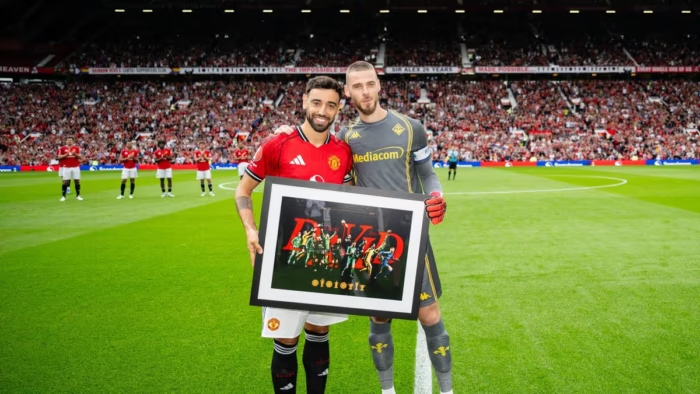
David De Gea is a United Idol because he protected the club during its most vulnerable years. He delivered world‑class performances with consistency, loyalty, and humility. He didn’t just make saves — he made statements. De Gea kept United alive, kept United competitive, and kept United proud. His legacy is that of a guardian, a champion, and one of the most important figures of the modern era.
Written by Paul
About the Author

Discover more from Daily Man Utd News
Subscribe to get the latest posts sent to your email.

