
Steve Bruce is the captain who helped drag Manchester United out of its long title drought and into the modern era of success. Tough, fearless, and utterly committed, Bruce was the defensive leader who set the tone for Ferguson’s early teams. He wasn’t the most glamorous player, but he was one of the most important — a warrior at the back, a threat in the box, and a captain whose mentality shaped the club’s rise. For supporters, Bruce represents grit, leadership, and the moment United finally reclaimed their place at the top of English football.

The Origin Story — How He Became United
Bruce joined United from Norwich City in 1987 for £825,000 — a bargain that would become one of the most important signings of the decade. Ferguson needed leaders, fighters, and characters to rebuild the club. Bruce arrived with no fanfare but immediately became a cornerstone of the defence. Alongside Gary Pallister, he formed one of the greatest centre‑back partnerships in English football history. United needed steel and organisation; Bruce delivered both.

Tactical Identity — What Made Him Special on the Pitch
Bruce was the definition of a complete centre‑back:
- Aerial dominance: Immense in both boxes, winning duels with authority.
- Leadership: Vocal, commanding, and emotionally influential.
- Positioning: Read danger early, rarely caught out.
- Toughness: Played through injuries, pain, and pressure.
- Goalscoring threat: Remarkably prolific for a defender — especially from set pieces.
He wasn’t elegant like Rio Ferdinand or explosive like Nemanja Vidić — he was dependable, brave, and relentless.

The Defining Moments
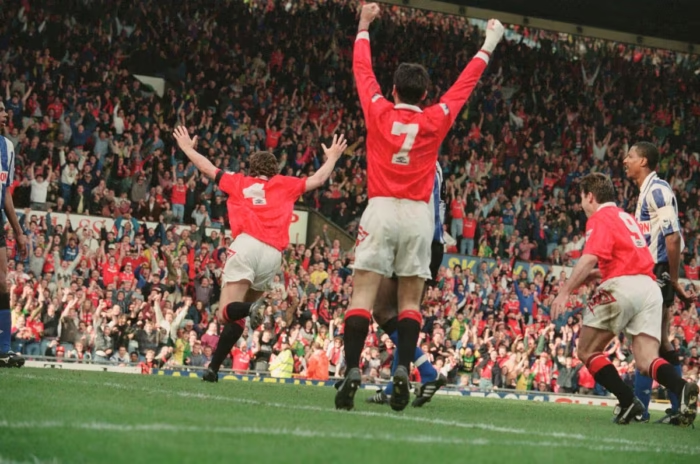
- 1993 — Two goals vs Sheffield Wednesday: The most iconic moment of his career. Bruce scored twice — including a legendary 96th‑minute header — in a match that swung the title race and became the emotional turning point of United’s first Premier League triumph.
- 1990 — FA Cup win: A crucial trophy that stabilised Ferguson’s tenure and set the stage for future success.
- 1991 — Cup Winners’ Cup: A European triumph built on defensive resilience.
- Captaincy: Led United to multiple trophies, becoming the first captain to lift the Premier League.
His defining moments were heroic — the performances of a leader who refused to let United fall short.

Cultural Impact — Beyond the Pitch
Bruce’s influence on United goes far beyond his tackles and headers:
- Captaincy legacy: Set the leadership standards that future captains — Roy Keane, Gary Neville, Nemanja Vidic — would follow.
- Mentorship: Guided younger players, including members of the Class of ’92.
- Symbol of the rebuild: Represented the grit and determination of Alex Ferguson’s early years.
- Fan connection: Honest, hardworking, and deeply respected.
He became the face of United’s transition from nearly-men to champions.

The Legacy — What Endures Today
Bruce’s legacy is carved into United’s return to greatness:
- One of the most important captains in club history.
- A leader of the team that ended the 26‑year title drought.
- Part of one of the greatest defensive partnerships England has seen.
- A symbol of resilience, toughness, and loyalty.
- A blueprint for centre‑backs who lead through courage and commitment.
His influence still echoes in how United fans judge defensive leaders today.
The Verdict — Why He Is a United Idol
Steve Bruce is a United Idol because he captained the club through its rebirth. He led with courage, defended with heart, and delivered one of the most iconic moments in Premier League history. Bruce didn’t just play for Manchester United — he helped change its destiny. His legacy is that of a warrior, a leader, and a captain who brought glory back to Old Trafford.
Written by Paul
About the Author

Discover more from Daily Man Utd News
Subscribe to get the latest posts sent to your email.


